
Why Is the Common Loon Minnesota's State Bird? Fun Facts, History & How to Do the Loon Call
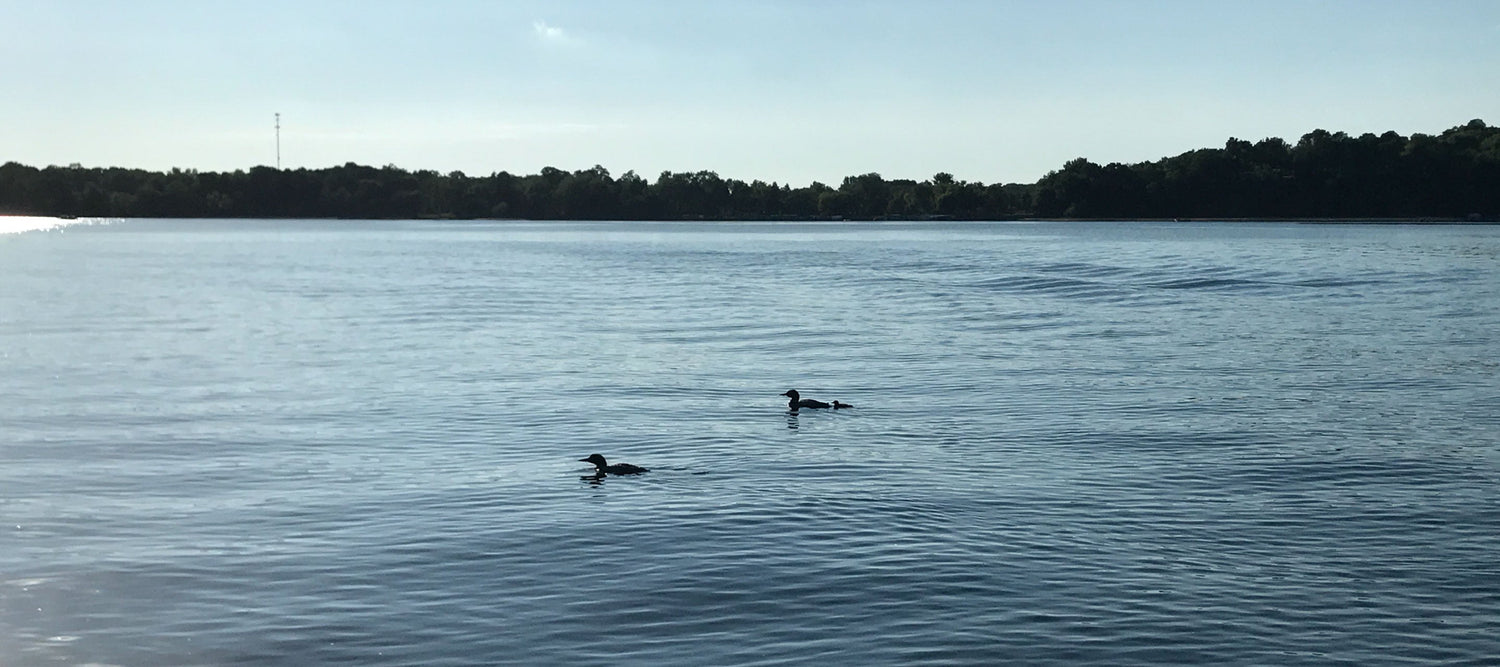
If you've ever watched the sun set over a quiet Minnesota lake, you've probably heard it. That haunting, echoing call drifting across the water. It's one of the sounds that instantly tells you you're Up North.
The Common Loon became Minnesota's official state bird in 1961 because of its deep connection to our lakes, wilderness, and outdoor heritage. Every spring, thousands of Common Loons return to Minnesota to raise their young, making our state one of the best places in North America to see and hear these incredible birds.
For many of us, hearing a loon call isn't just spotting wildlife. It's the soundtrack of summer.
At Loon Layers, that feeling is exactly what we're trying to celebrate.
Why Is the Common Loon Minnesota's State Bird?
Minnesota and loons simply belong together. With more than 10,000 lakes and thousands of miles of undeveloped shoreline, Minnesota provides ideal habitat for the Common Loon. Every summer, loon families return to lakes across the state, raising their chicks while becoming part of countless family memories.
The Common Loon officially became Minnesota's state bird in 1961 after schoolchildren across the state voted to make it our official bird. More than sixty years later, it remains one of Minnesota's most recognizable symbols. Not because it's flashy, but because it represents everything people love about living here:
- Quiet mornings
- Cabin weekends
- Fishing trips
- Pontoon rides
- Campfires
- And slowing down enough to hear the sounds around you
Why Minnesotans Love Loons
Ask almost anyone in Minnesota what comes to mind when they think of summer and chances are they'll mention the lake. If you ask them what the lake sounds like, they'll probably say one thing. The loon.
There's something about hearing one call across the water that makes everyone stop talking for a second. Even after hearing it hundreds of times, I still pause every single time. Maybe it's because it reminds me of being Up North. Maybe it's because the sound is unlike anything else in nature. Or maybe it's because hearing loons usually means you're exactly where you want to be:
- Away from work
- Away from notifications
- Away from the rush of everyday life
That's the feeling that inspired Loon Layers. Our mission has always been simple. Laid-back layers for life up north. Because the best memories usually happen when we slow down long enough to enjoy them.
Fun Facts About the Common Loon
The Common Loon is one of the coolest birds in North America. Here are a few of my favorite facts:
1. They're incredible divers.
Common Loons can dive more than 200 feet underwater while chasing fish and can stay submerged for over a minute.
2. They can fly more than 70 miles per hour.
Loons may look relaxed floating on the water, but they're surprisingly powerful flyers during migration.
3. They're built for swimming.
Their legs sit far back on their bodies, making them excellent swimmers but pretty awkward walkers. If you've ever seen a loon on land, you'll notice it doesn't spend much time there.
4. Baby loons ride on their parents' backs.
One of the coolest sights you'll ever see on a Minnesota lake is a tiny loon chick riding safely on a parent's back while they swim.
5. They return to familiar lakes.
Many Common Loons come back to the same nesting territories year after year, making them feel like longtime summer neighbors at cabins throughout Minnesota.
6. They have four unique calls.
Each one serves a different purpose.
- The Wail helps loons locate one another across a lake.
- The Tremolo is a laughing call that usually signals excitement or alarm.
- The Yodel is made only by males to defend their territory.
- The Hoot is a quiet call used between family members.
The haunting wail is the sound most people associate with Minnesota summers.
How to Do the Minnesota Loon Call
Every family seems to have their own technique, but this is the one that's worked for me since I was a kid.
Step 1
Get your hands a little wet. This helps create a better seal.
Step 2
Cup both hands together tightly. Try to remove as much air as possible between your palms and position your thumbs next to each other.
Step 3
Place your lips against the knuckles of your thumbs. This becomes the opening where you'll blow air into your hands.
Step 4
Blow steadily. Don't force it. A smooth, consistent breath works much better than trying to blow as hard as you can.
Step 5
While you're blowing, gently wiggle your fingers on the top of your hands. That movement changes the airflow and creates the classic wavering loon sound.
It might take a few tries, but once you figure it out, you'll be entertaining everyone around the campfire. Don't be surprised if someone across the lake answers back.
Why the Loon Inspired Loon Layers
People sometimes ask why I wanted to name our brand after the loon? The answer is simple. The loon represents everything I love about Minnesota, and reminds me of my favorite things about Minnesota:
- Summer weekends at the lake
- Morning coffee on the dock
- Pontoon rides that somehow last all afternoon
- Campfires with family
- Hiking nearby trails
- Playing pickleball before heading back to the cabin
- Watching the sunset while waiting to hear that first loon call echo across the water
Those moments aren't about checking your phone. They're about being present. That's what Loon Layers is built around. We create apparel inspired by the hobbies, traditions, and places that bring people together across the Midwest. Whether that's lake life, hiking, golf, pickleball, fishing, tennis, or simply relaxing Up North, we believe life's little leisures deserve to be celebrated.
Frequently Asked Questions About Minnesota Loons
Why is the Common Loon Minnesota's state bird?
The Common Loon became Minnesota's official state bird in 1961 because of its strong connection to the state's lakes, wilderness, and outdoor heritage.
What does a loon symbolize?
For many Minnesotans, loons symbolize wilderness, peace, family traditions, lake life, and spending time outdoors.
Why do loons call at night?
Loons often call at night to communicate with other loons, defend territory, or stay in contact with family members across the lake.
Are loons only found in Minnesota?
No. Common Loons breed throughout the northern United States and Canada. However, Minnesota has one of the largest breeding populations in the Lower 48 states.
What do Common Loons eat?
Their diet consists primarily of fish, along with crayfish, aquatic insects, frogs, and other small aquatic animals.
Can you imitate a loon call?
Absolutely. While no human can perfectly match a real loon, many Minnesotans have learned hand techniques that create a surprisingly convincing loon call around the campfire.
A Final Thought
One of the reasons I started Loon Layers was to encourage people to spend more time doing what makes them happy.
- Go to the cabin.
- Take the boat out.
- Play another game of pickleball.
- Go for a hike.
- Sit on the dock until sunset.
- And when the lake gets quiet, listen.
If you're lucky, somewhere across the water you'll hear a Common Loon call. For me, that's the sound of Minnesota. And that's what Loon Layers is all about.
Laid-back layers for life up north.

